Soil Sensors Kenya Soil temperature sensor

Soil temperature sensors for Kenyan farms

Every NuaSense soil sensor reads soil temperature at its depth about every 10 minutes, next to soil moisture: the pair that decides when seed comes up and how the root zone behaves.

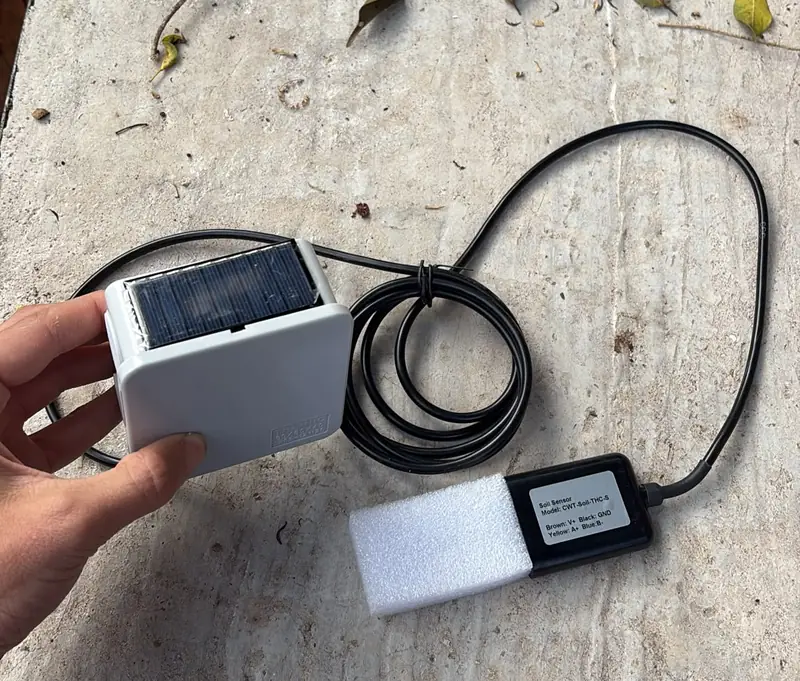
A NuaSense node box with its small solar panel on top, held in one hand, and the soil sensor on its cable in front of it

Soil temperature from every sensor, at every depth

Each NuaSense soil sensor reads soil temperature and soil moisture at the depth where you install it, and sends both about every 10 minutes. With two sensors on one node box you see the shallow and the deeper soil side by side.

Your weather station records the air temperature at the same time. On the dashboard the two lines sit next to each other, and the gap between them shows how much mulch, crop cover and irrigation buffer the root zone against the heat of the day.

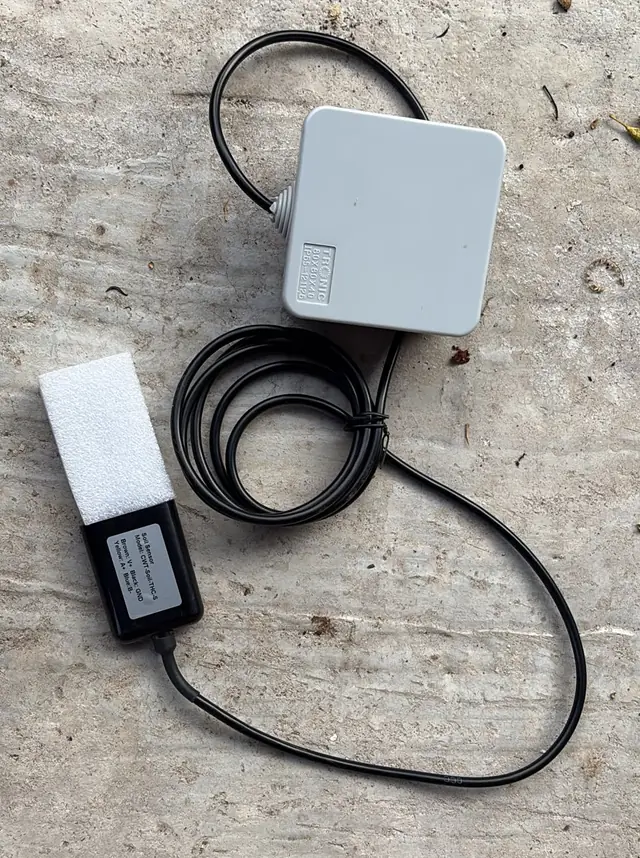
A NuaSense node box seen from above with its coiled cable and the soil sensor, its pins protected by white foam
Node box, cable and sensor as they arrive. Each sensor reads soil temperature and moisture at its depth.

When soil temperature matters on a Kenyan farm

Planting and germination

Planting rules written for colder countries wait for the soil to warm up. In most of Kenya it is moisture rather than cold that holds germination back, so read the two together at seed depth: soil temperature and germination.

Mulch and bare soil

Bare soil heats up and cools down faster than soil under mulch or a closed crop. A shallow sensor shows how large those swings are on your own block, and what the mulch changes.

What it costs

There is no separate temperature sensor to buy: soil temperature comes with every NuaSense soil sensor, at every depth you install.

NuaSense soil sensor prices, excluding taxes
What you buyWhat it readsPrice, excl. taxes
Soil sensor, one depthSoil moisture and soil temperatureKES 7,000
Soil sensor, two depthsTwo moisture and two temperature channels, a shallow and a deeper readingKES 9,000
Soil sensor with ECAdds electrical conductivity, the salt load of the soil waterKES 10,000
NuaSense weather station RequiredRain, wind, air temperature, humidity, air pressure and sunlight. It also brings the soil sensors online.KES 30,000

Running costs: Safaricom data at cost, typically about one US dollar per station per month (none on Wi-Fi); the dashboard is included with five direct downloads a day; SMS and WhatsApp alerts cost 0.03 US dollars per message. You pay one month after the station is installed and transmitting, with 100 percent money back within the first three months. All prices and terms.

Questions about this sensor

Is there a separate soil temperature sensor?

No. Every NuaSense soil sensor reads soil temperature and soil moisture at its depth. With two sensors on one node box you get the temperature at a shallow and a deeper depth.

Can the sensor tell me when to plant?

It shows soil temperature and moisture at the depth you choose, recorded about every 10 minutes, so you can see when the seedbed is warm and moist enough. NuaSense does not forecast the weather, so the reading tells you what the soil is doing now, not what it will do.

How deep should the temperature reading be?

For planting decisions, close to seed depth; for the crop, where most of its roots are. The depth is chosen per installation, and the node box takes more sensors if you want more depths.

Ask what a setup on your farm would look like

Tell us your crop and what you want to time, planting or irrigation. We reply with the depths we would read and the price.